

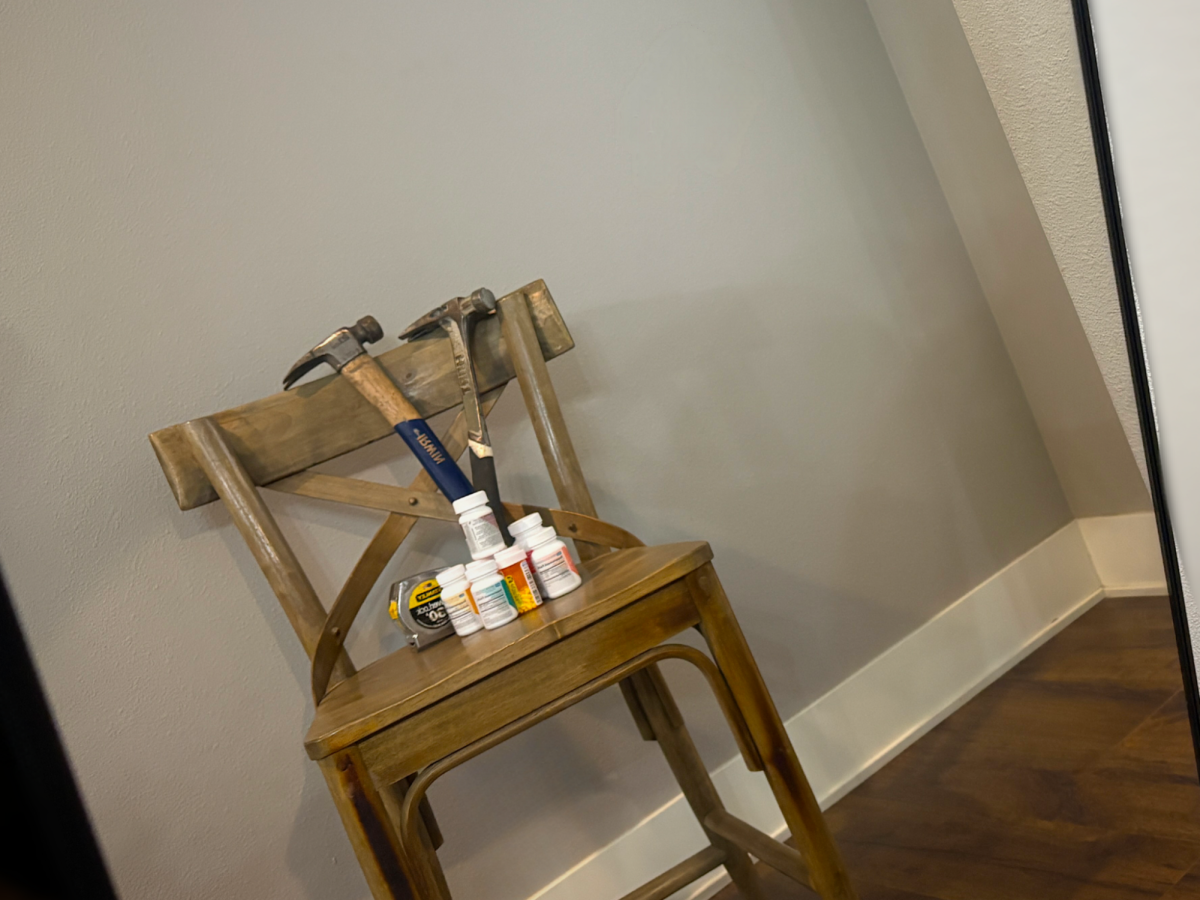
Looksmaxxing has evolved tremendously since its initial introduction to social media in 2010. Later on in the 2020’s looksmaxxing was popularized on TikTok and other social media platforms, mainly used by men. In simple terms, looksmaxxing is a focus on maximizing physical attractiveness by performing certain practices that can improve your overall appearance.
When it initially became popular it started off as more of a small trend where people would “mew” to make their jawlines sharper, workout to appear slimmer, clear acne using skincare routines, and other simple forms of self care. Now, there are more extreme methods for looksmaxxing that are being commonly used such as intentionally starving, abusing anabolic steroids and other drugs, bonesmashing, severe cosmetic surgeries and so much more.
What may have once seemed like harmless self improvement advice is, in reality, a deeply damaging online culture that’s rooted in insecurity, comparison and impossible beauty standards. You may be wondering, how did looksmaxxing become so extreme so quickly? One word, or rather, one person. Clavicular.
Yes! Clavicular, like clavicles, the bone. Braden Peters, known online as Clavicular has recently emerged as one of the most popular looksmaxxers on social media. Clavicular has worked extremely hard to make his ideas, ways of life, opinions, and fixation on looksmaxxing mainstream. To him, looks truly are everything and show extreme worldly achievement.
Looksmaxxing is built on the idea that a person, usually young men, must optimize every physical feature to maximize attractiveness. These standards in the looksmaxxing community mean that every ratio, every measurement, and every feature matters.
To understand what looksmaxxing is and why it’s so awful, we need to understand Clavicular. He was born on December 5th 2005, grew up in New Jersey and since the age of fourteen Clavicular has injected and consumed many controlled substances to help him look more “attractive.”
He began attending Sacred Heart University in Fairfield in 2024. During his freshman year of college he was expelled after campus police officers went through his dorm and found steroids. After being expelled from college he started streaming and became popular on TikTok for his looksmaxxing content where he suggests that natural beauty is not enough.
“I have seen clips from his streams on TikTok and thought he seemed kind of rude and self absorbed but I guess I never thought about his impact or what he was actually doing.” Said Vivienne Doss, a sophomore at ADM.
While to some people, Clavicular’s views might seem like just evolution of fitness culture and self discipline, there is actually a much darker undercurrent. There are multiple online communities, like Claviculars, that come together and promote harsh hierarchies of attractiveness, ranking people, and basing their worth off their physical appearance.
Claviculars’ audience is made up of primarily teenage boys. In past years looksmaxxing has been said to increase body dysmorphia and insecurity, but now more than ever because of Clavicular there are people struggling with severe body dysmorphia and considering going to the same lengths that he has. But this doesn’t convict him, in fact he is so heartless that he encourages young people to bone smash, starve themselves, abuse substances and so much more that could cause lifetime repercussions.
When teenagers are constantly scrolling through a curated feed that is telling them their jawline, nose shape, or the visibility of their collar bones defines their social and romantic value, it fuels body dysmorphia, eating disorders and so many other mental health issues. Clavicular is known online for being publicly racist, sexist, and a womanizer. Remember, this is a man with millions of followers on multiple platforms.
It is known that teenage years are when you are your most vulnerable. It is also the time where critical thinking is developed, habits are formed, and self-identity and worth are established. This means, while these teenagers are online constantly consuming such negative content, it will begin to slip into their thoughts and they will begin to believe these things being preached by people like Clavicular, which could potentially lead to young boys doing some of the awful things that he does and living in a similar manner.
This Clavicular trend in particular reflects a long-term cultural obsession with thinness. Having those visible collarbones that he makes seem so necessary are not a universal marker of health, they are often a sign of low body fat, which in some cases is healthy, but dangerous for many. Clavicular, along with other influencers, reinforce this idea that smaller is better, no matter the cost and this idea is seeping into the minds of the impressionable, vulnerable teenagers who spend hours on social media daily.
One thing that is even more concerning is the monetization of insecurity. There are so many influencers who sell jaw trainers, supplements, and facial exercises along with so many other things promising transformation. The message these people are sending is simple: you are flawed, but you can be fixed if you buy my product. It’s a business strategy based completely on insecurity and self-doubt.
There is absolutely nothing wrong with wanting to improve your overall health, or work to feel confident in your appearance. Self-care, working out, eating healthy and other forms of self-expression are very normal for a person as they grow up. Problems start occurring when that self-improvement becomes toxic and turns into self-erasure.
Looksmaxxing culture, strongly led by Clavicular, reduces the beautiful individuality and complexity of humans to bone angles, body fat percentages and face ratios. It is teaching young people that love, success, and respect are rewards earned by being attractive. That is not empowerment. It is pressure disguised as self-improvement.
The obsession with looksmaxxing shows how easily social media can turn insecurity into a trend. These platforms amplify unrealistic expectations and standards until they start to feel normal. It is convincing young people that their worth is determined by such shallow superficial things like the way they look.
If we want to create healthier online spaces, we need to challenge these trends and the culture that promotes them. Talk openly about the harm these trends cause, always question the messages you are seeing online and don’t be consumed by the messages of people like Clavicular.
Lastly, and most importantly, remember that confidence should come from who you are, and not how closely you fit an unrealistic beauty standard. Creating healthy social media spaces starts with refusing to let our value be determined by something as small as the visibility of your clavicle.


